
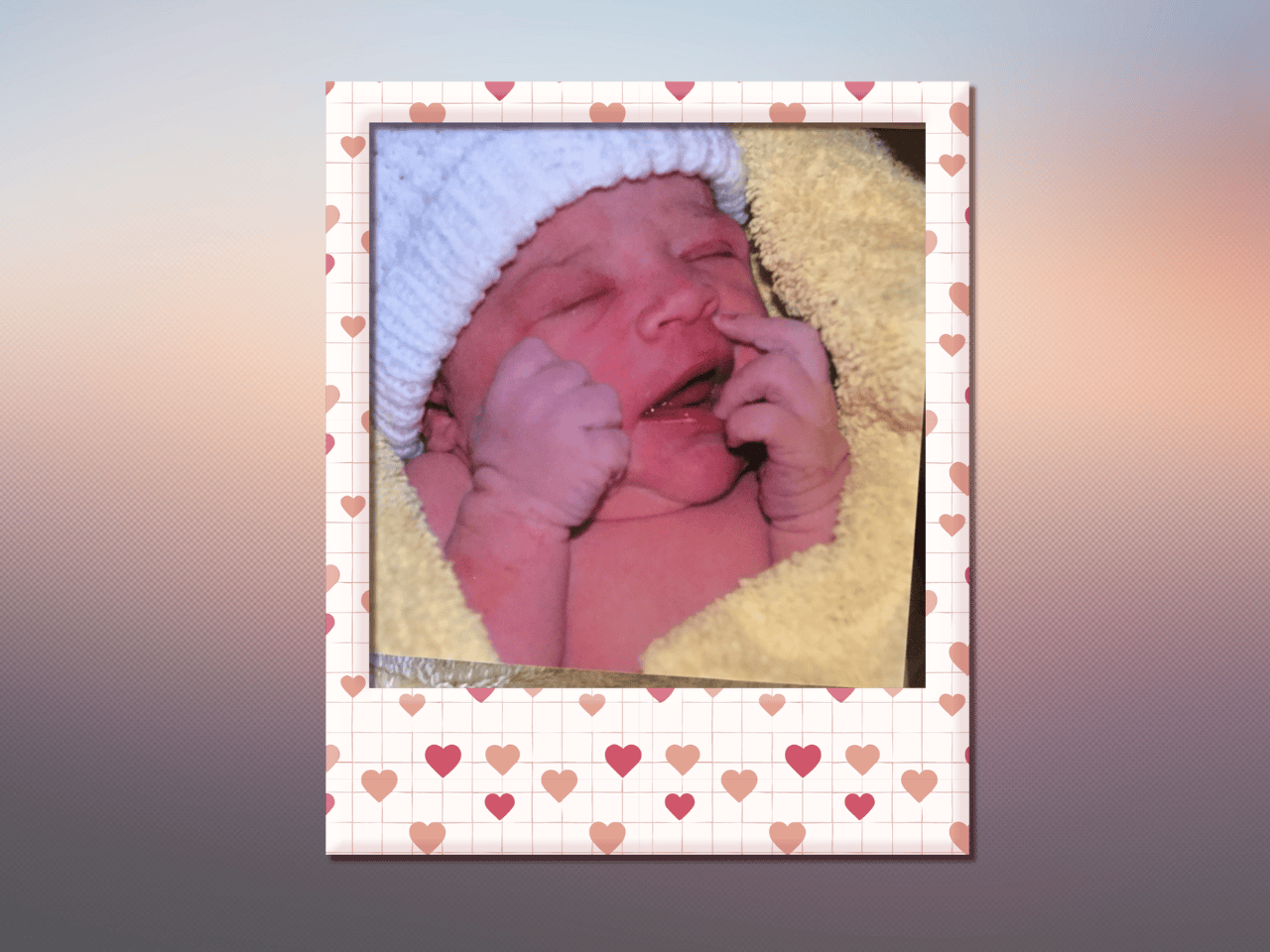
The first few days after having your baby can feel overwhelming, emotional, wonderful, and exhausting—all at the same time. Knowing what’s normal can make a huge difference. As an independent midwife supporting new families across East Anglia, here are five things I wish every new parent knew about those early days after birth.
-
The First 24 Hours: “The Dream Baby”
In the first 24 hours, you’ll likely think you’ve been gifted the calmest baby ever. Your newborn has had a huge day and will often be very sleepy. It’s not unusual for babies to feed only 3–4 times during this period.
What is important during this time is unrestricted skin-to-skin contact. Let your baby snuggle close, nuzzle, lick, latch, and suck at the breast as they wish. Skin-to-skin supports feeding, bonding, temperature regulation, and helps your baby transition to life outside your uterus.
-
Colostrum: Liquid Gold
Colostrum, your first milk, is often called liquid gold, and for good reason. It’s highly concentrated, packed with antibodies and nutrients, and perfectly designed for your baby’s first days.
Your baby doesn’t need large amounts. In fact, their tummy is about the size of a small marble, so just a few millilitres at a time is more than enough. Every drop is doing powerful work for your baby’s immune system and gut.
A brilliant breastfeeding resource is the Association of Breastfeeding Mothers (ABM). This video explains collostrum beautifully:
https://youtu.be/5-i4tm7mGnc?si=i5Y2SMJ1ba6wGbBs
-
Night Two… Brace Yourself!
Ah, night two. No one can truly prepare you for it.
That sleepy “dream baby”? Gone. Suddenly your baby is wide awake; wanting milk, cuddles, nappy changes, more milk… and just when you think they’ve settled and you gently put them down—bam! Awake again and back to the breast.
This is completely normal.
Your baby’s tummy is growing, and they’re putting in a very clear order for the milkman for the next day. Breast milk works on a supply and demand system: the more often your baby feeds (with an effective latch), the more milk your body will produce to meet their needs.
-
Biggest Piece of Advice: Sleep When Your Baby Sleeps
It sounds simple—and I know it’s not always easy—but truly, sleep when your baby sleeps. Dishes can wait. Messages can wait. You will thank yourself later.
Your body is recovering from an enormous physical and emotional experience, and rest matters more than anything else in these early days.
Visitors: It’s Okay to Say No
Politely decline visitors until you can sit down without wincing.
Giving birth is the equivalent of running a marathon—really. Your uterus is a muscle that has worked incredibly hard, and your vaginal area will often feel very sensitive. Most first-time mothers experience some degree of perineal discomfort, swelling, or tearing.
If you have had a caesarean birth, those early days can feel particularly demanding physically. Even standing up, walking, laughing, or lifting your baby repeatedly may feel sore and tiring at first, as your body is recovering from major abdominal surgery while also adjusting to caring for a newborn.
On top of that, you will usually have bleeding similar to a heavy period for the first few days to a week, whether you have had a vaginal birth or a caesarean. This is not the time to feel you need to be “the hostess with the mostest”.
Give yourself space to recover physically and emotionally, bond with your baby, and establish feeding before inviting others in to meet your new little person. However your baby arrived, your body deserves gentleness, rest, and time to heal.
If you’d like to reduce the risk of a significant tear, this RCOG leaflet is excellent:
https://www.rcog.org.uk/media/m2el4y0h/antenatal-information-for-women-v5-aug-2023_final.pdf
Bonus: Your Baby Is Communicating from Day One
From birth, your baby is constantly communicating their needs. Crying is one way, but babies also give early cues—especially for feeding.
Early feeding cues include:
- Turning their head from side to side
- Hands to mouth or face
- Lip-smacking or licking movements
Crying is actually a late feeding cue. If feeding starts once your baby is already crying, settling them to latch can be trickier.
How an Independent Midwife Can Support You
One of the greatest benefits of choosing an independent midwife is the continuity, time, and compassionate support we can offer during your postnatal journey.
The days following birth are about far more than physical recovery. They are a time for rest, reassurance, confidence-building, and feeling truly listened to. With our enhanced postnatal support, we can support you every step of the way, ensuring you feel nurtured, informed, and cared for as you recover from birth, get to know your baby, and establish feeding.
We offer unhurried visits, hands-on breastfeeding support, and space for open, honest conversations about how you’re feeling, both physically and emotionally. Our approach is gentle, personalised, and centred entirely around you and your family, allowing care to happen at your pace, with kindness and respect at its core.
Those first few days matter. Feeling supported, rested, and reassured can shape your confidence as a parent and your experience of early motherhood. We are here to ensure you never feel alone during this precious and vulnerable time.
If you would like to find out more about our independent midwifery and postnatal support, please get in touch to discuss how we can support you and your family.
Kirsti, The Compassionate Midwife
Co- Founder of East Anglian Midwives
admin@eastanglianmidwives.co.uk